What buzzes about up there in the sky
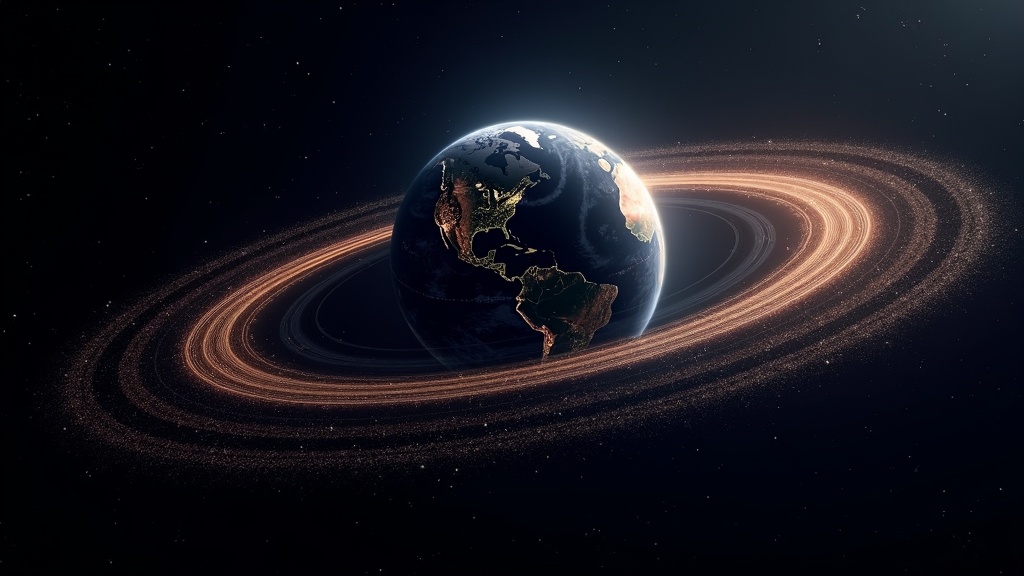
For you, Mum — with no complicated technology at all. Just the lovely connections: what actually flies over our heads? Why? And which of it can you even see with your own eyes?
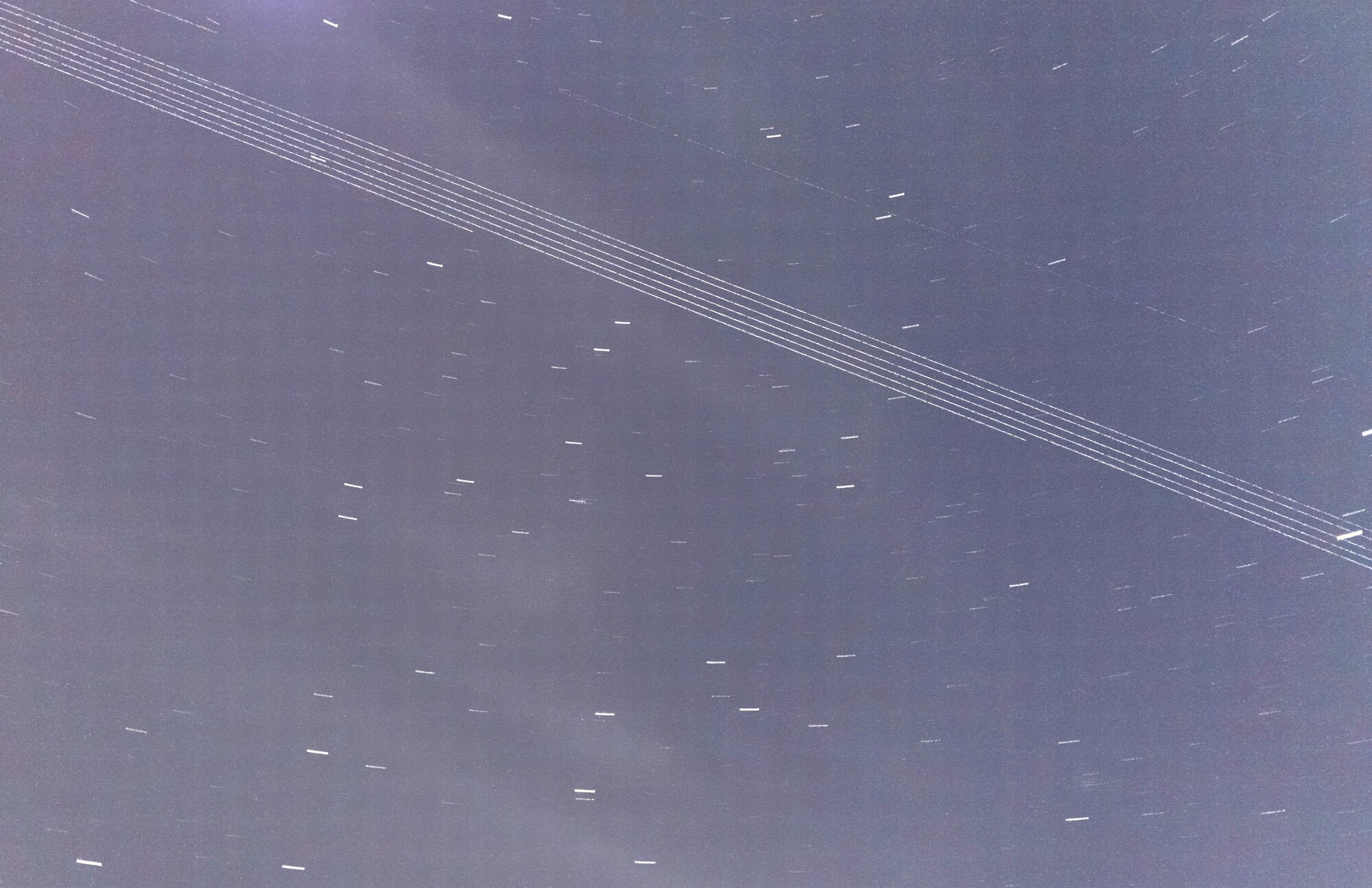
When you look up on a clear evening, tiny points of light sometimes drift across the sky in a row — perfectly even, like a string of pearls. Those aren't stars, and they aren't aeroplanes. They are satellites: little machines that circle the Earth and work for us while we sleep. Come, let me show you their world.
1The sky is a tall house
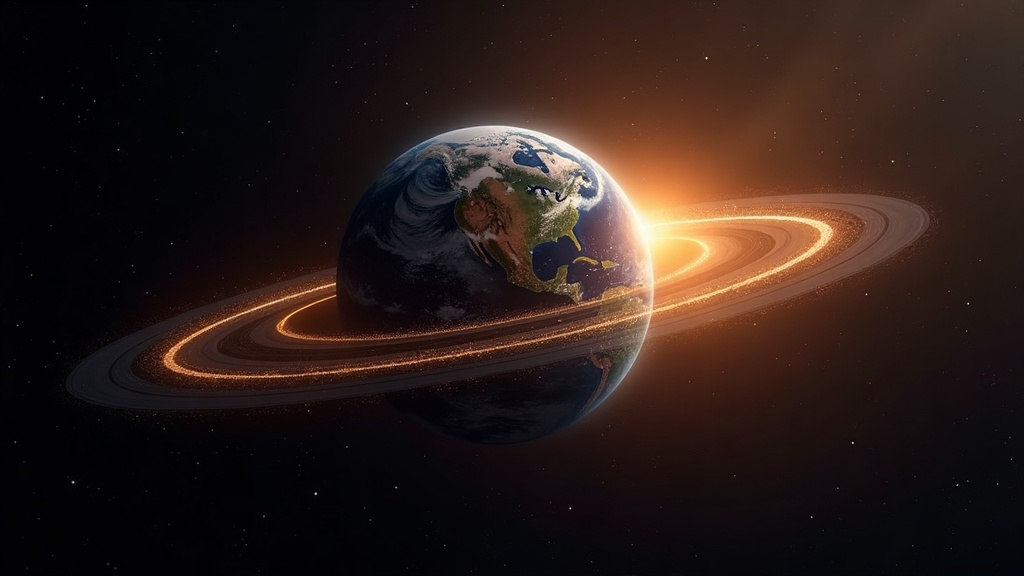
Picture the sky as a tall block of flats. Different satellites live on the different floors — and there's a good reason for who lives where.
Right down low, just above the clouds, the nimble ones dash about: the ones that bring us the internet. They fly low so everything is nice and quick — the way it's easier to call out to someone in the same room than across a wide yard.
But right up high, much, much higher, hang the television satellites. And they do something astonishing: they appear to stand completely still in the sky. That's why the satellite dish on a house can simply point at one fixed spot and never has to be turned. How handy!
Who lives how high up?
The television satellites up top live about 60 times as high as the internet satellites down below.
When the space station MIR did its rounds, one such dot in the sky was still a little sensation.
On some evenings, whole strings of pearls made of light drift across the sky.
There will be many, many more — the sky is growing busier and busier.
2The northern lights and the invisible shield
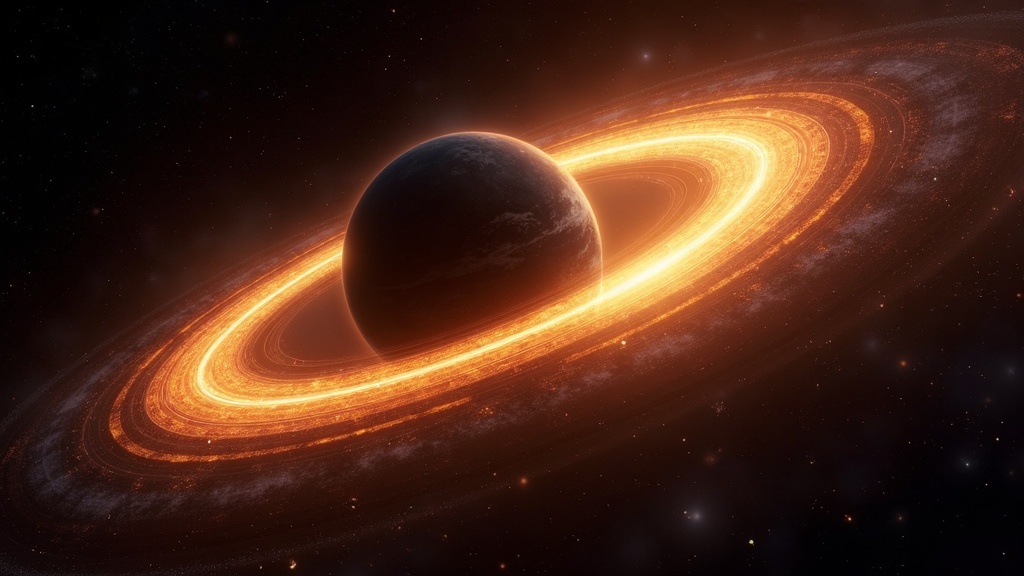
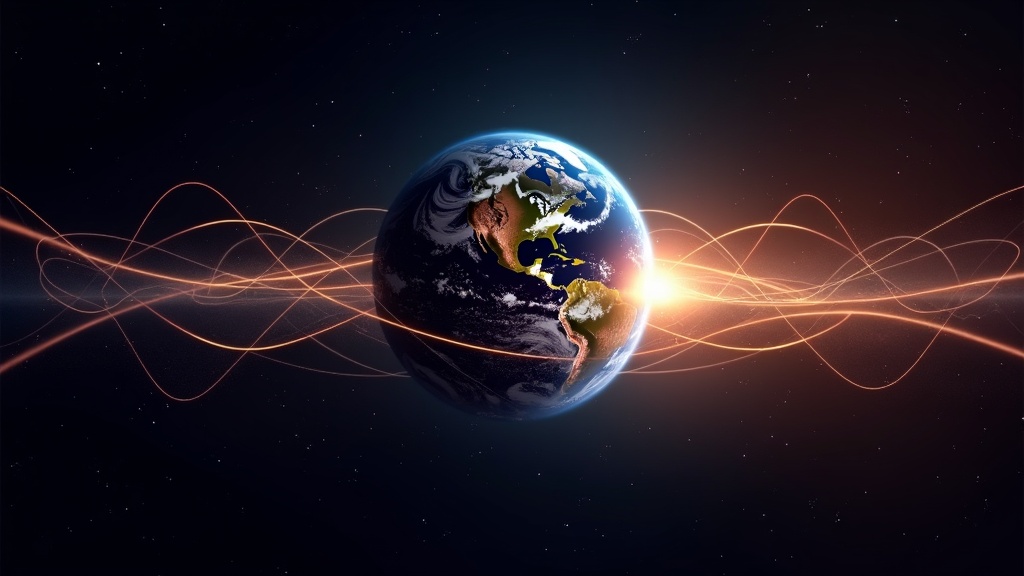
The Sun doesn't only warm us — it also sends out, without pause, a fine, invisible “wind” of tiny particles. Luckily the Earth has an invisible shield around it, like a giant umbrella. It gently steers most of it past us.
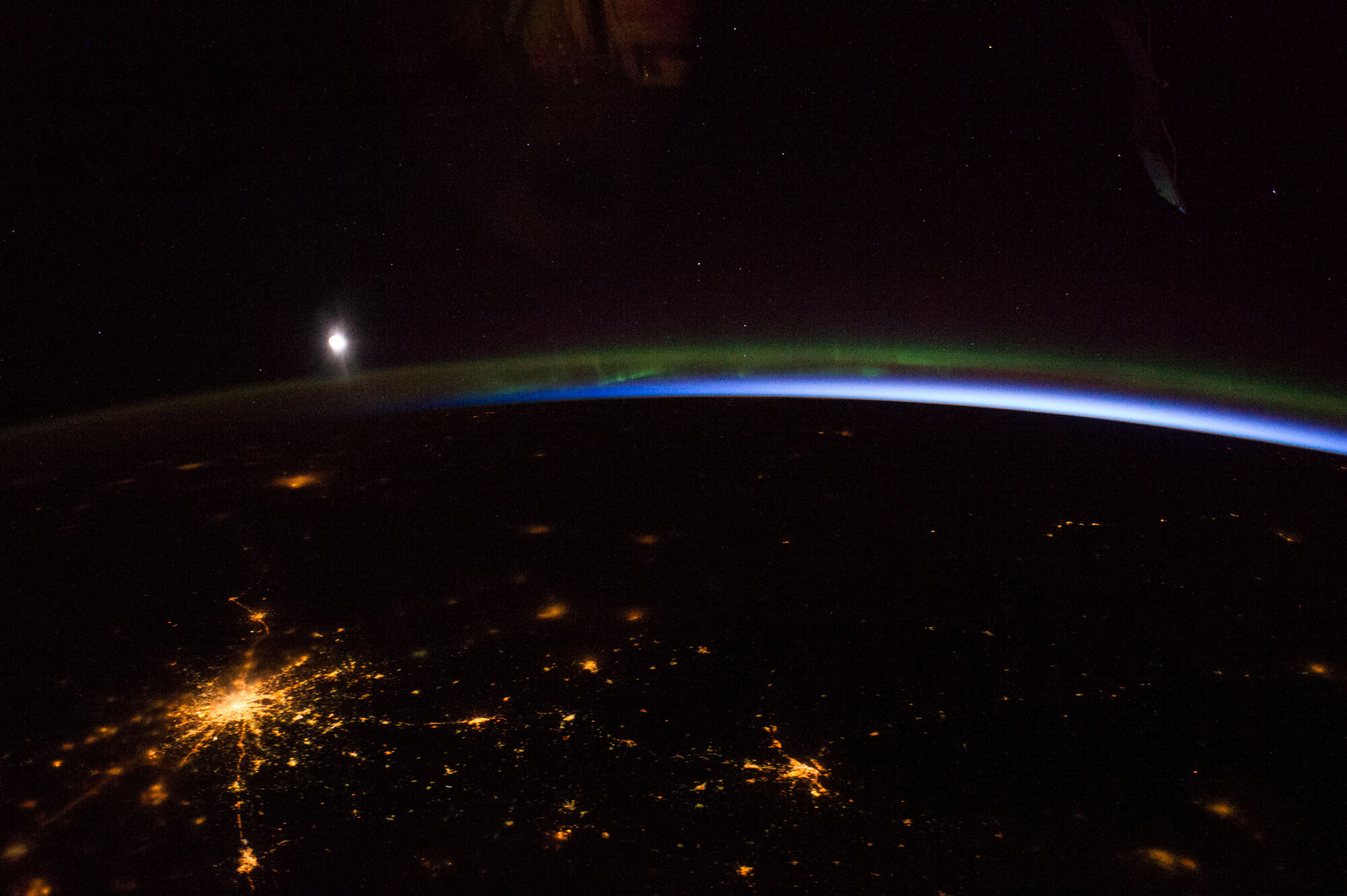
Way up high, where the satellites fly, less of this shield is left. That's why the little machines up there have to be built especially tough — a bit like a good winter coat that keeps the cold gusts out.
3The odds and ends up there

Wherever there are people, something gets left lying about — even in space. Over the decades we've left all sorts of crumbs up there: old, worn-out satellites and no end of odds and ends.
But nature tidies up too! Right down low, a breath of air slowly draws everything back down again, where it harmlessly burns up — the way the autumn wind sweeps the leaves from the yard. Only right up high does whatever lies there stay lying there.
4A sky that belongs to everyone
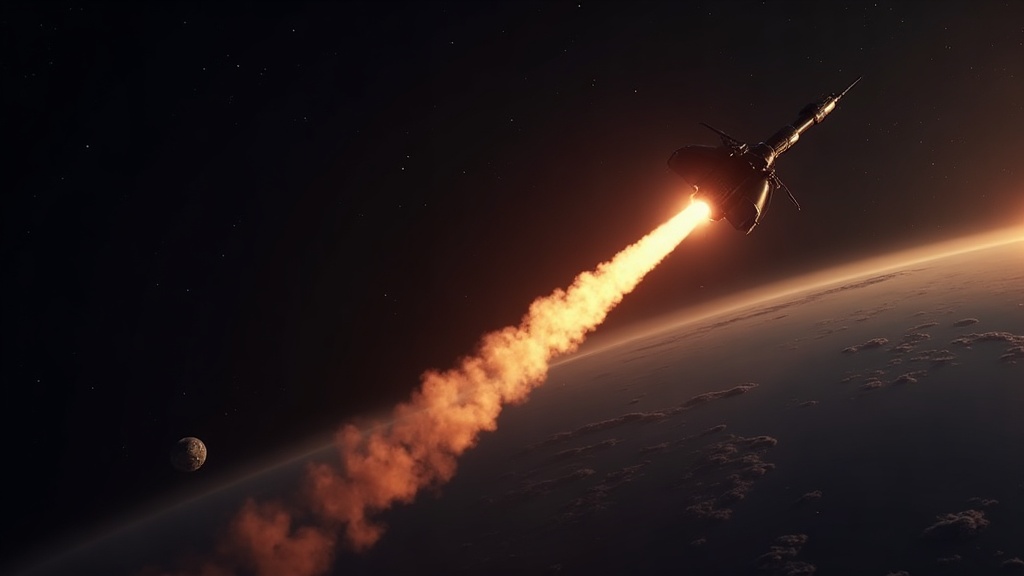
Sometimes you wonder: couldn't someone just break one of those satellites? In principle, yes. Only — it would be dreadfully unwise.
Because if one shattered, there'd be a rain of a thousand splinters, and that would threaten every satellite — including one's own. It would be like sawing off the branch you're sitting on. The sky belongs a little bit to everyone. And that's a good thing — it keeps us peaceful.
5From the rotary phone to a wire from space
Do you remember? The good old rotary-dial telephone — that rattle as the dial spun back, and the patient wait for the dialling tone? How far we've come since then!
A dial, a cord on the wall, and you'd call out loud: “It's for you!”
In places with no cables at all, the internet falls from the sky — straight from a satellite.
Your phone talks directly to a satellite — even where there's no mast for miles around.
6How does it all get up there?

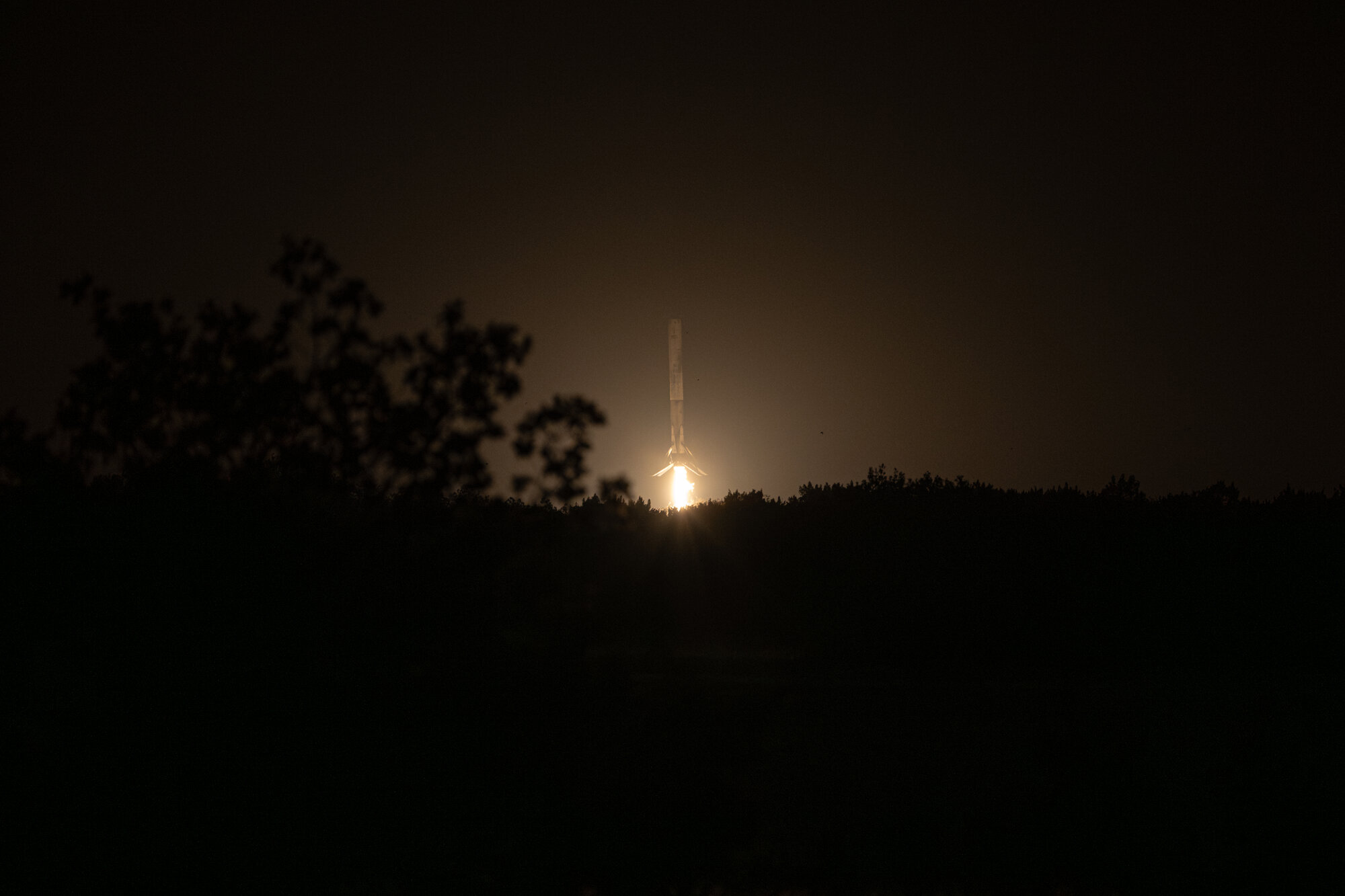
Everything is carried aloft by rockets — fire-breathing giants that climb to the heavens with a roar. A magnificent spectacle.
Every rocket flew just once — and then it was gone. As if you threw the car away after a single drive.
The rockets land again — gently and upright — and fly once more soon after.
One day things might even be flung into space from the Moon.
7Machines that live on sunlight
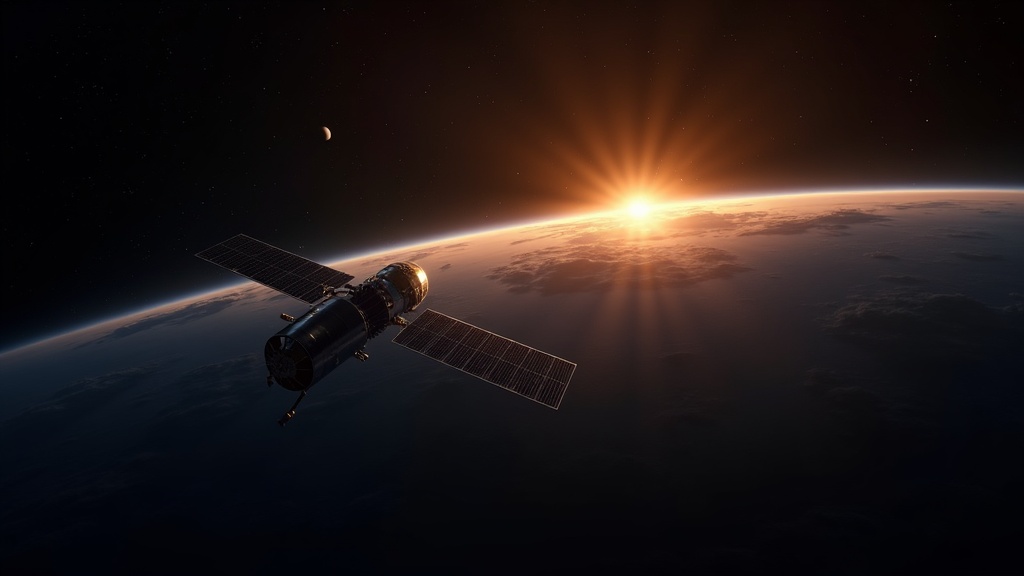
And to finish, the most astonishing thing of all, only just beginning: there is a very special flight path on which a satellite always stays on the sunny side — an eternal, golden sunset, with no night at all.
Up there, people soon want to place thinking machines that draw all their power from sunlight alone — day and night, never once taking a break. Little helpers that live on nothing but the Sun. Don't you find that just a little bit wonderful, too?
✦Something to marvel at: the Earth from above
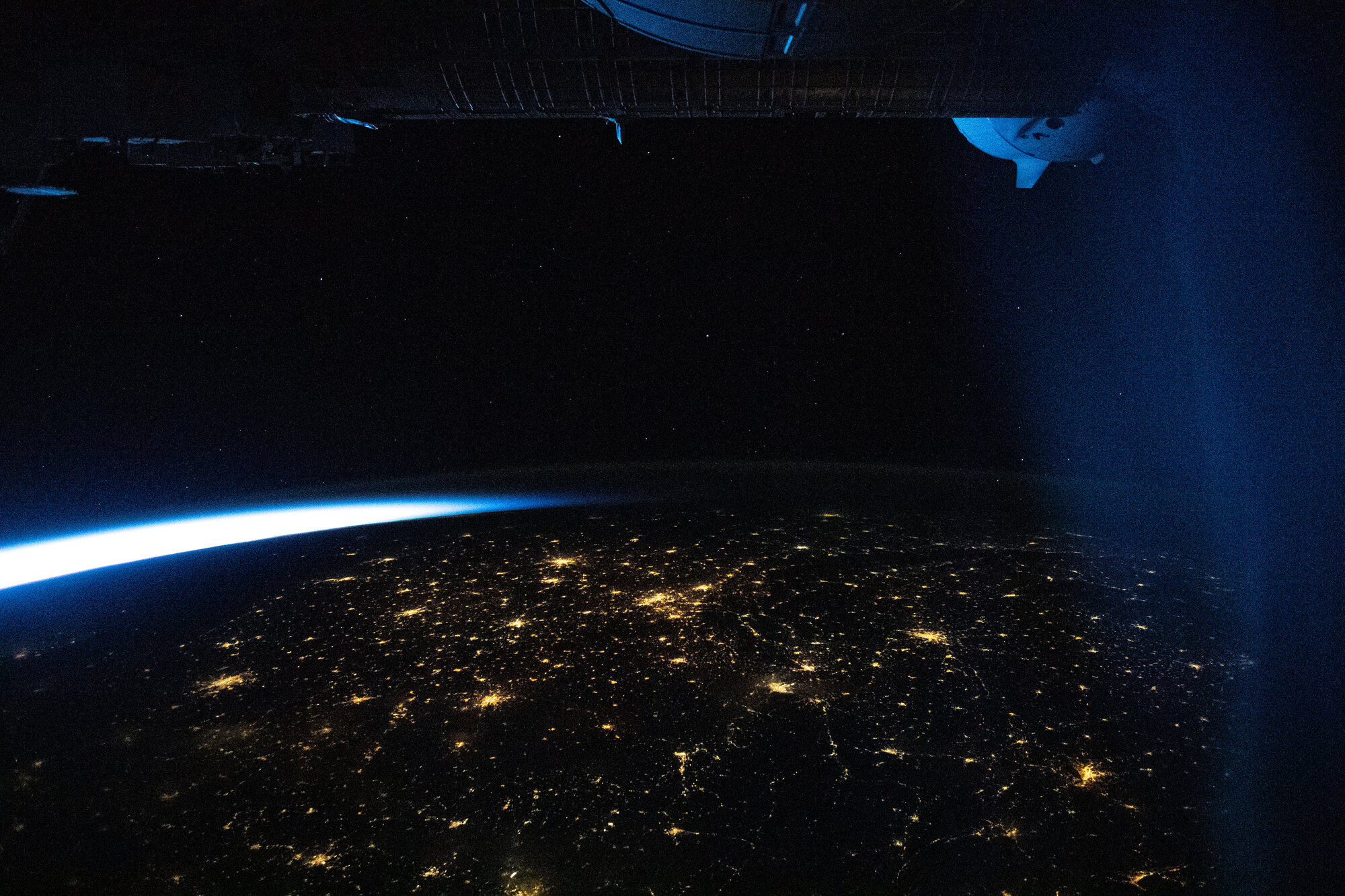
And do you know what the loveliest thing of all is? From up there the little helpers look down on us — and while they do, they take pictures of our Earth the way you could never see it from down here. Have a look (just tap to enlarge):
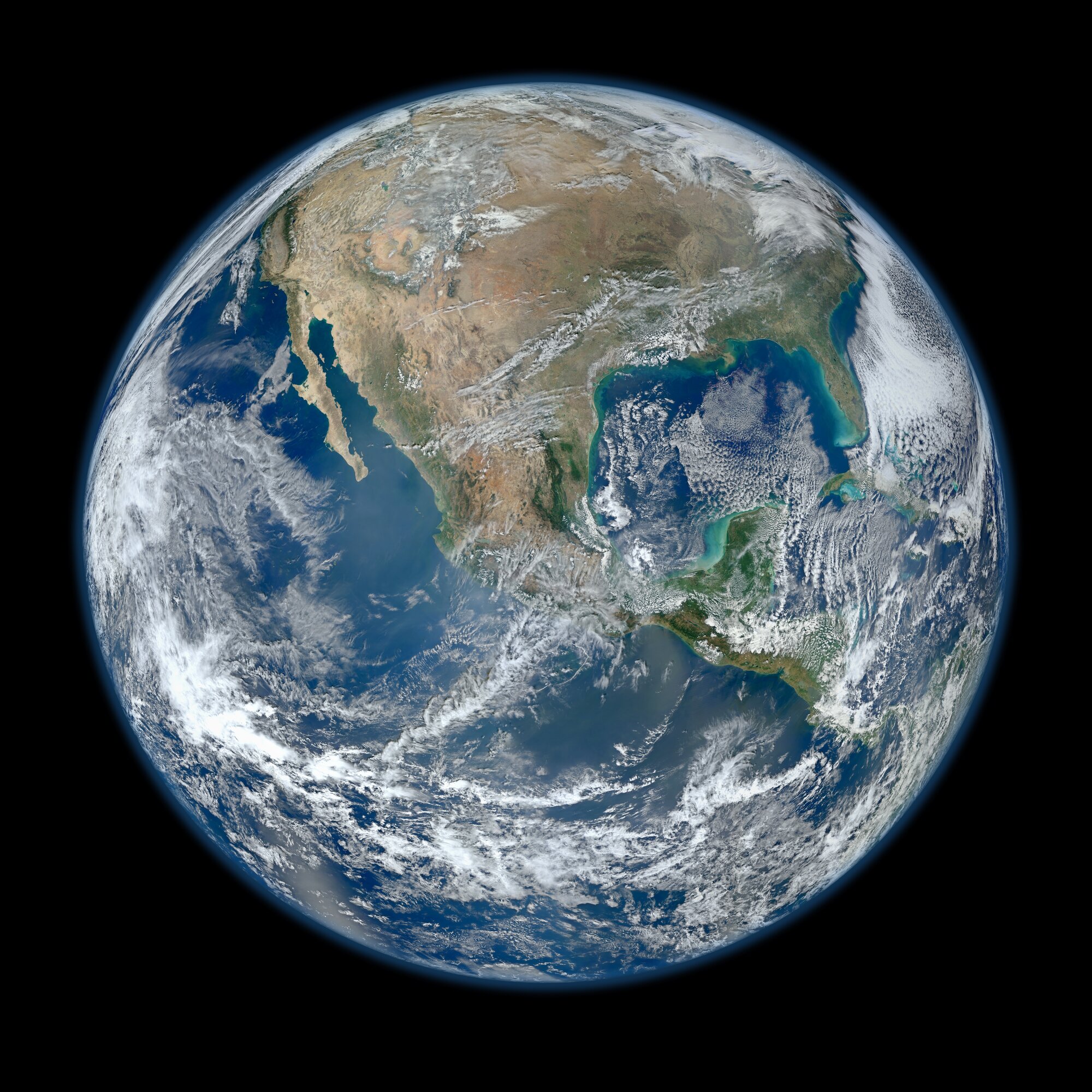 Our Earth — the “Blue Marble”
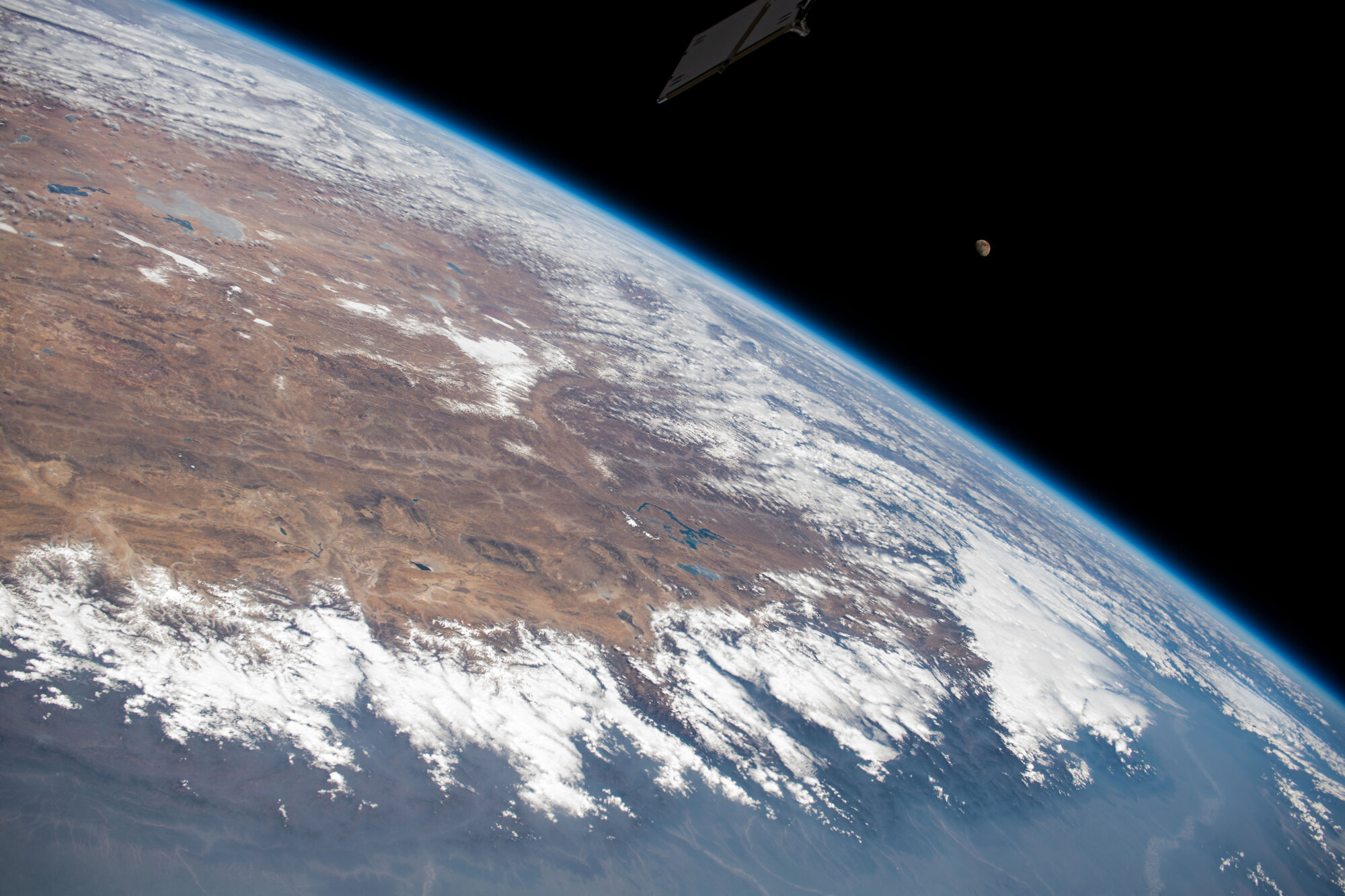 The Himalayas and their eternal snow
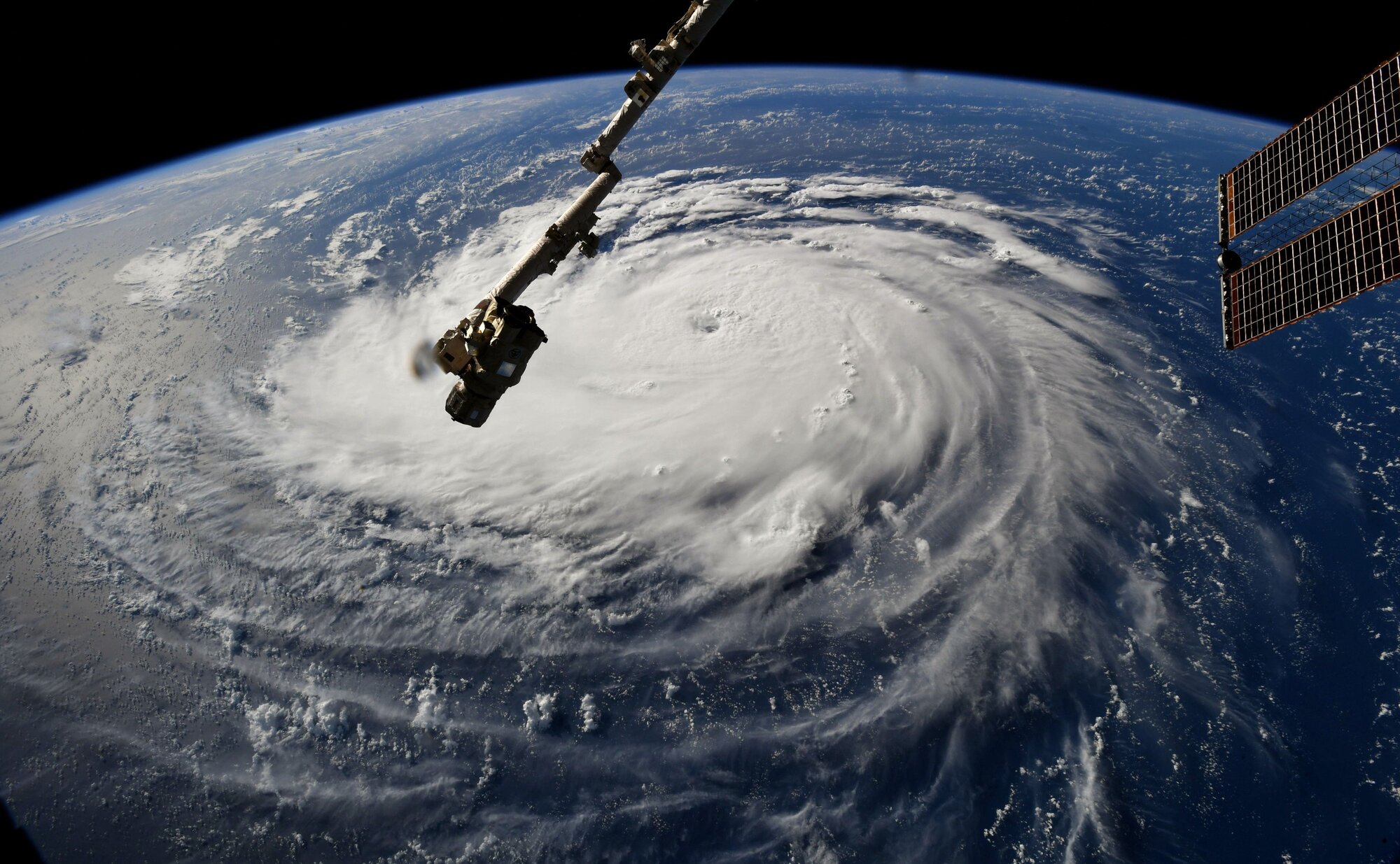 A hurricane with its calm eye
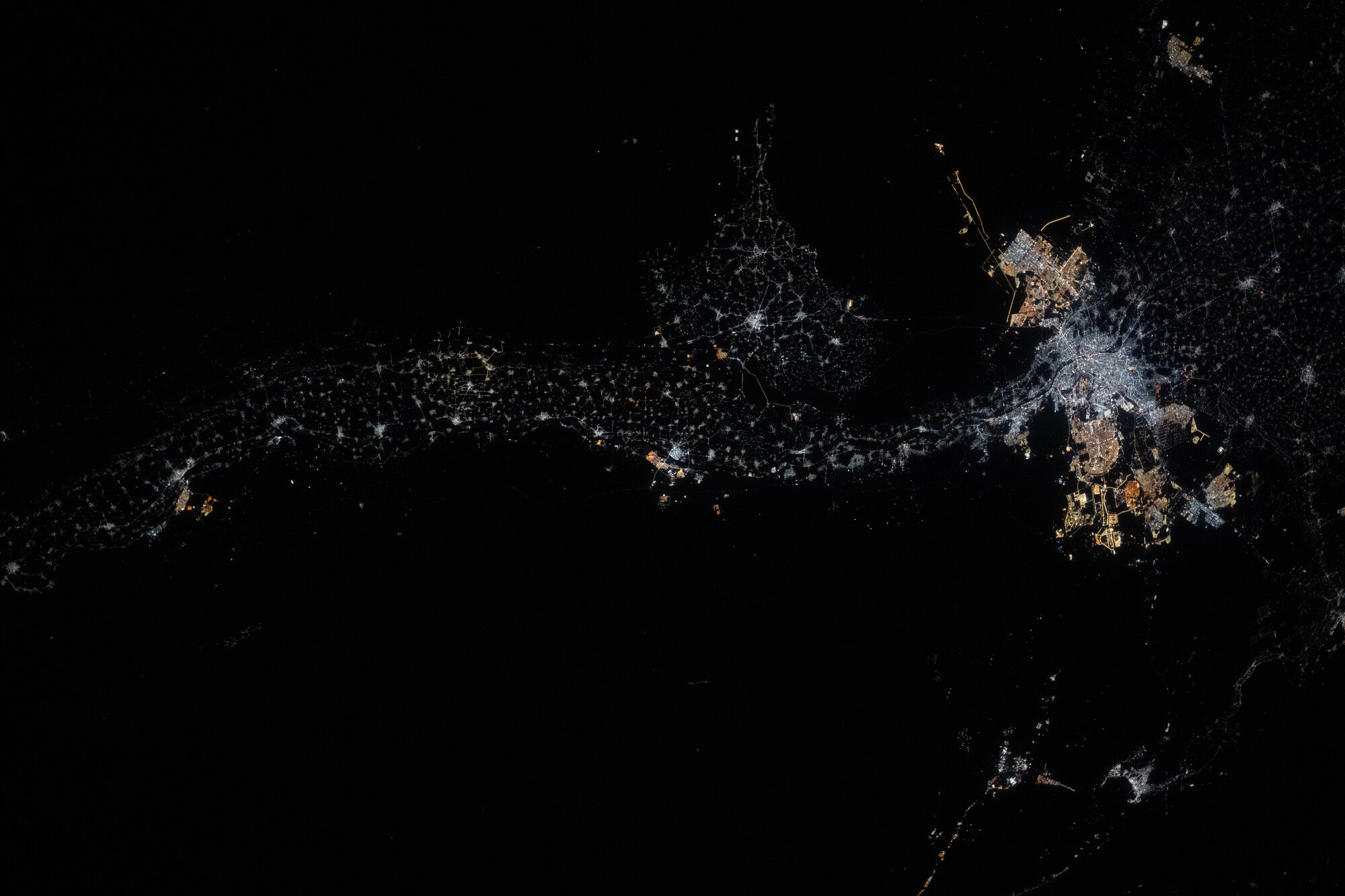 The Nile, a ribbon of light at night
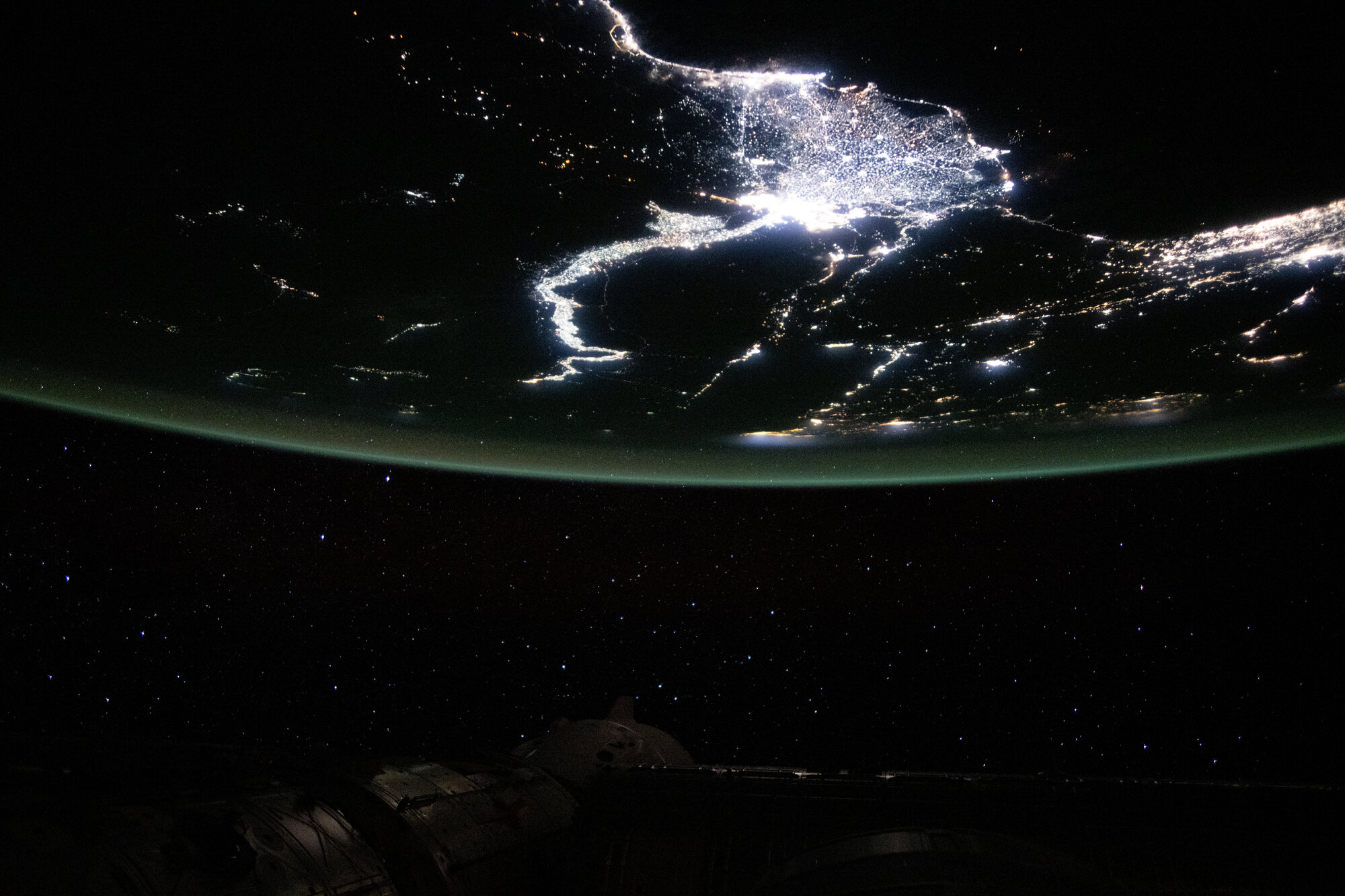 The green Nile delta by day
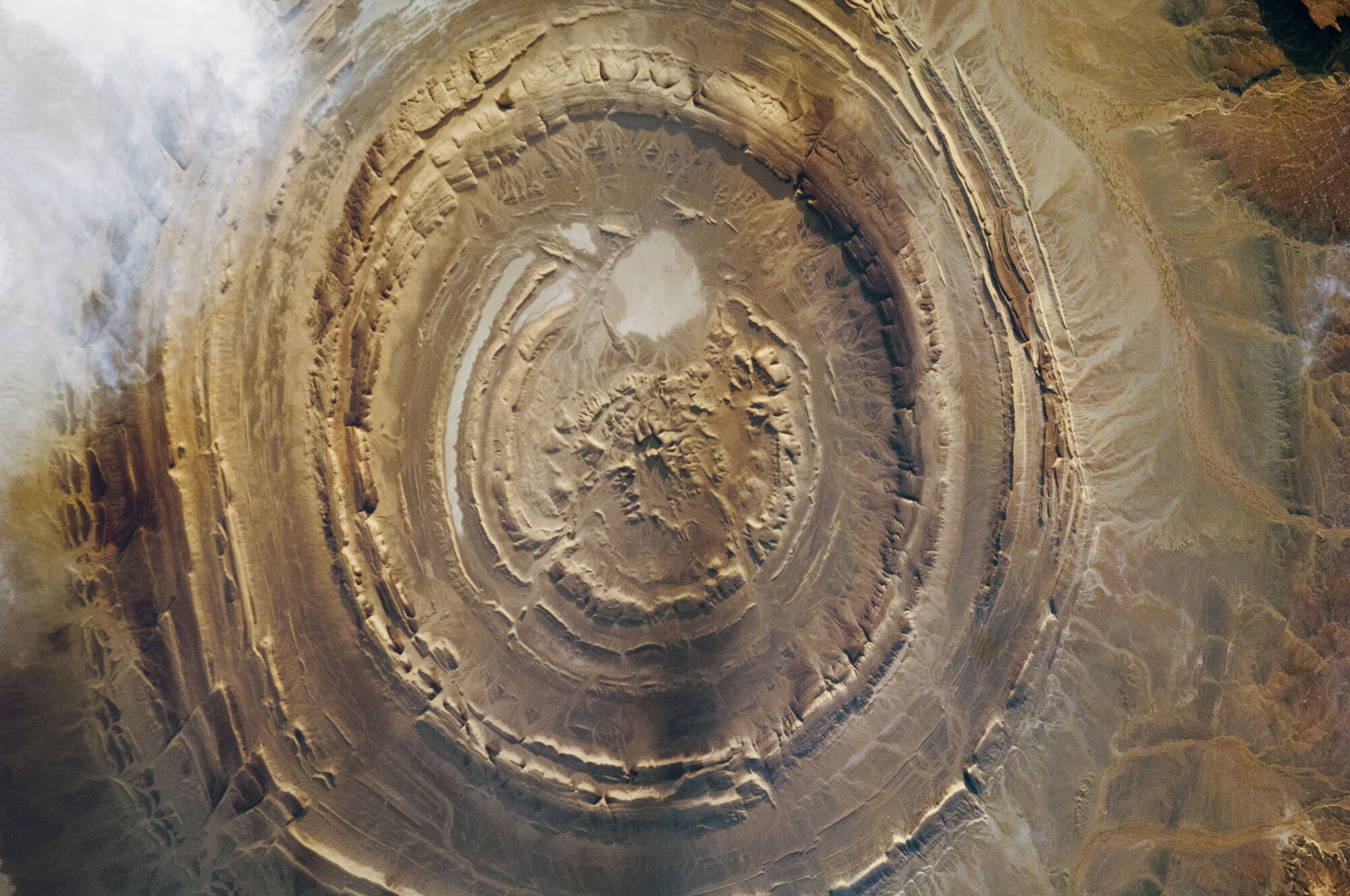 The “Eye of the Sahara”
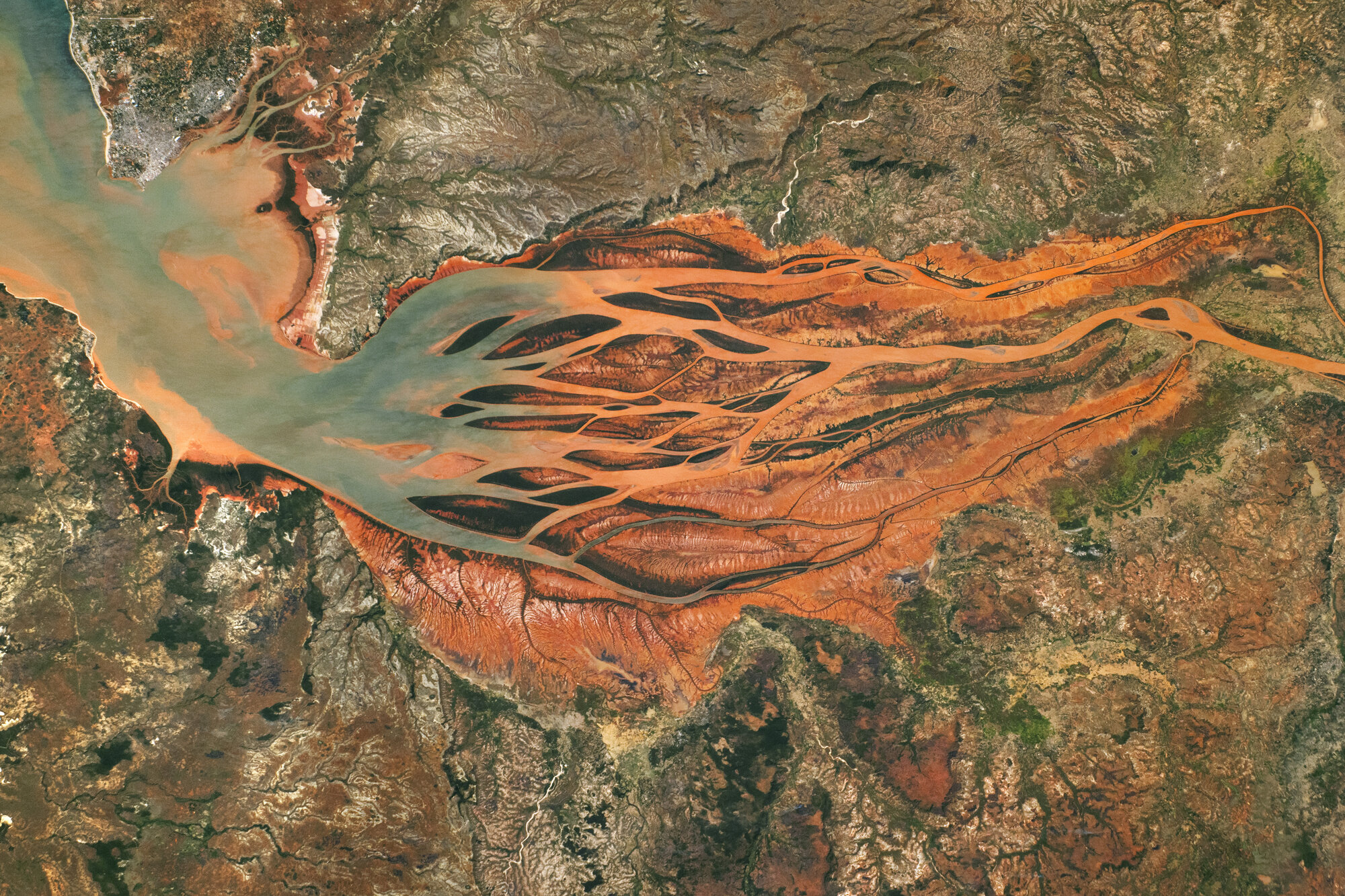 A red river delta in Madagascar
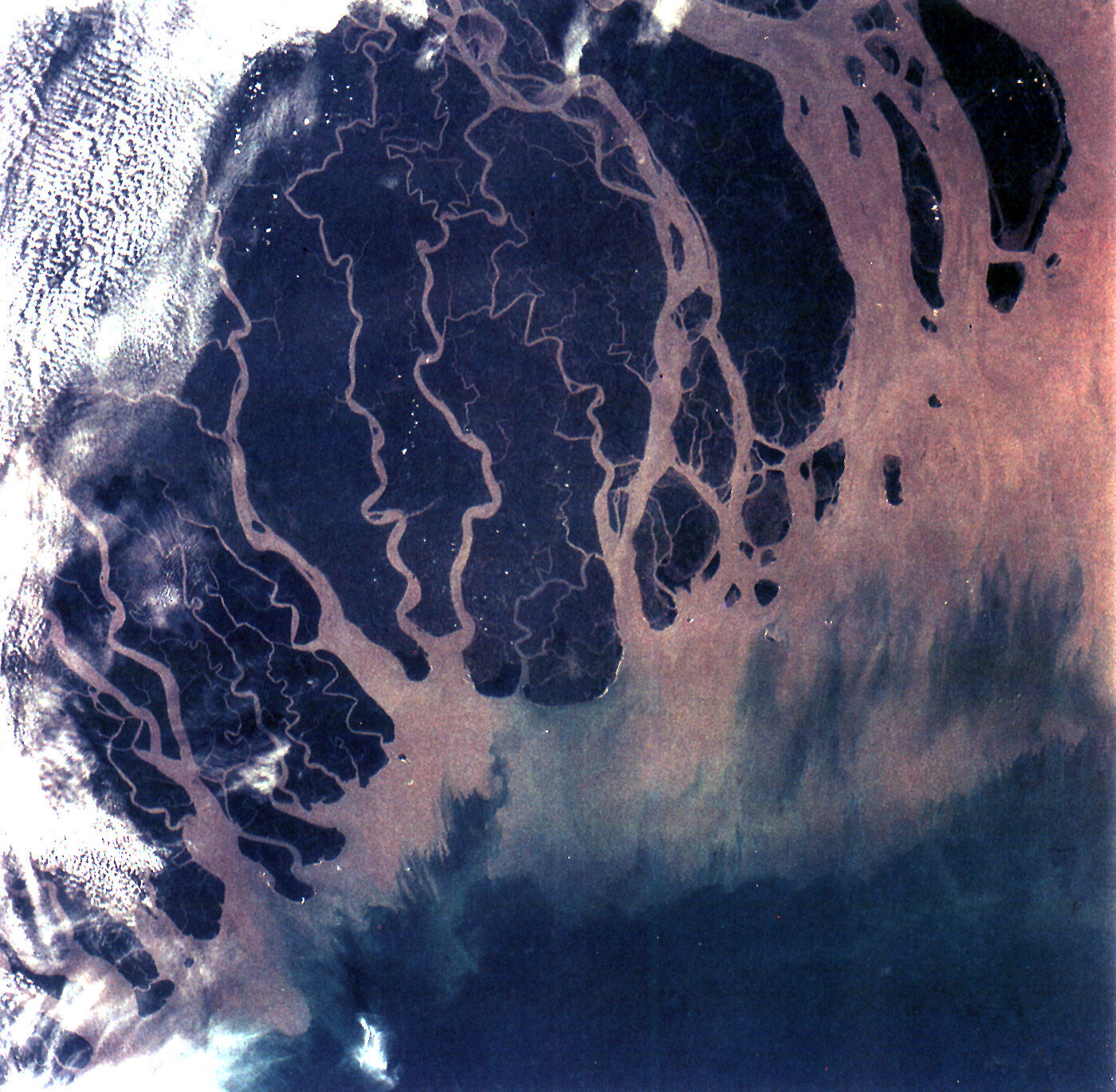 The vast Ganges delta
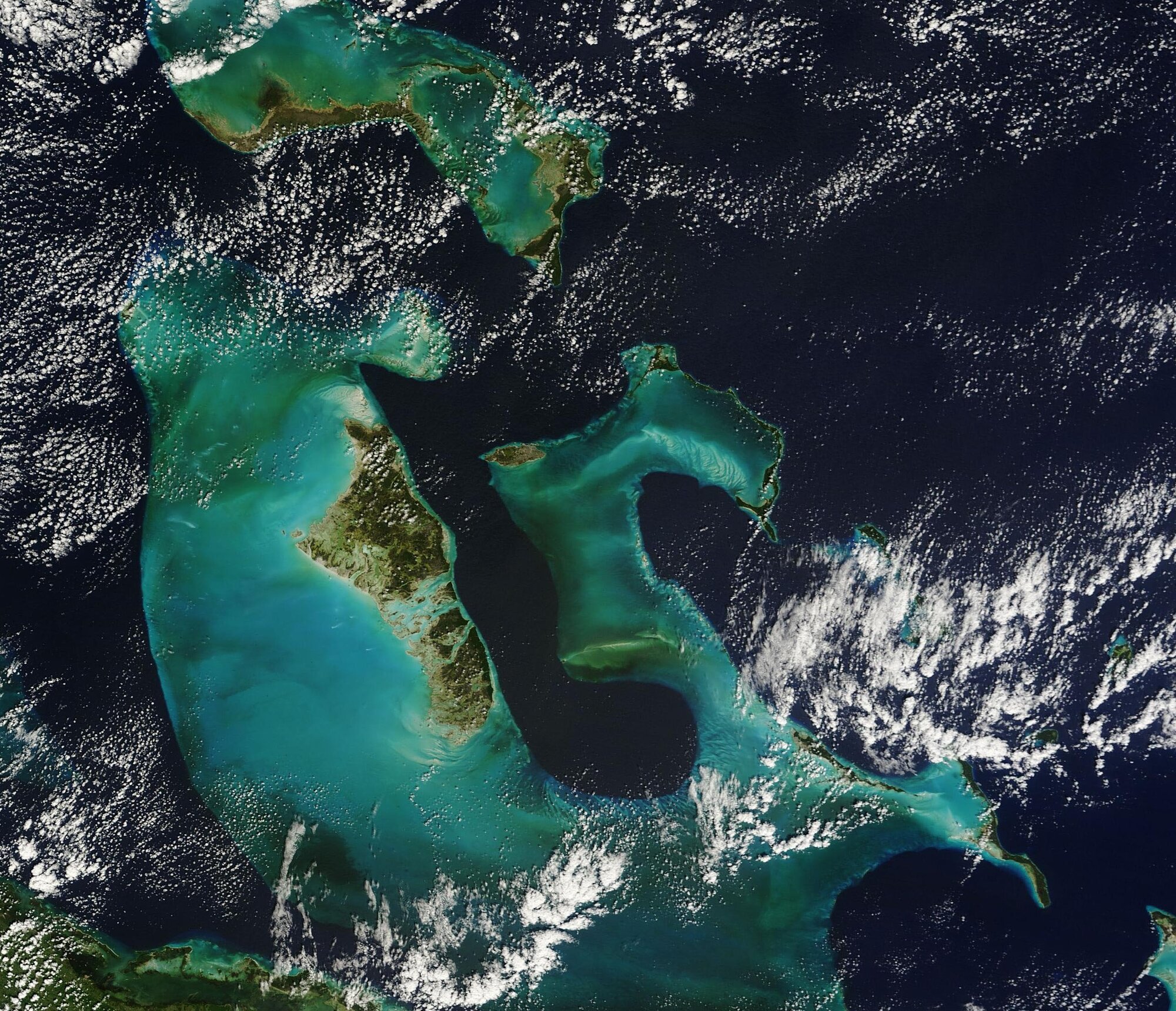 The turquoise shallows of the Bahamas
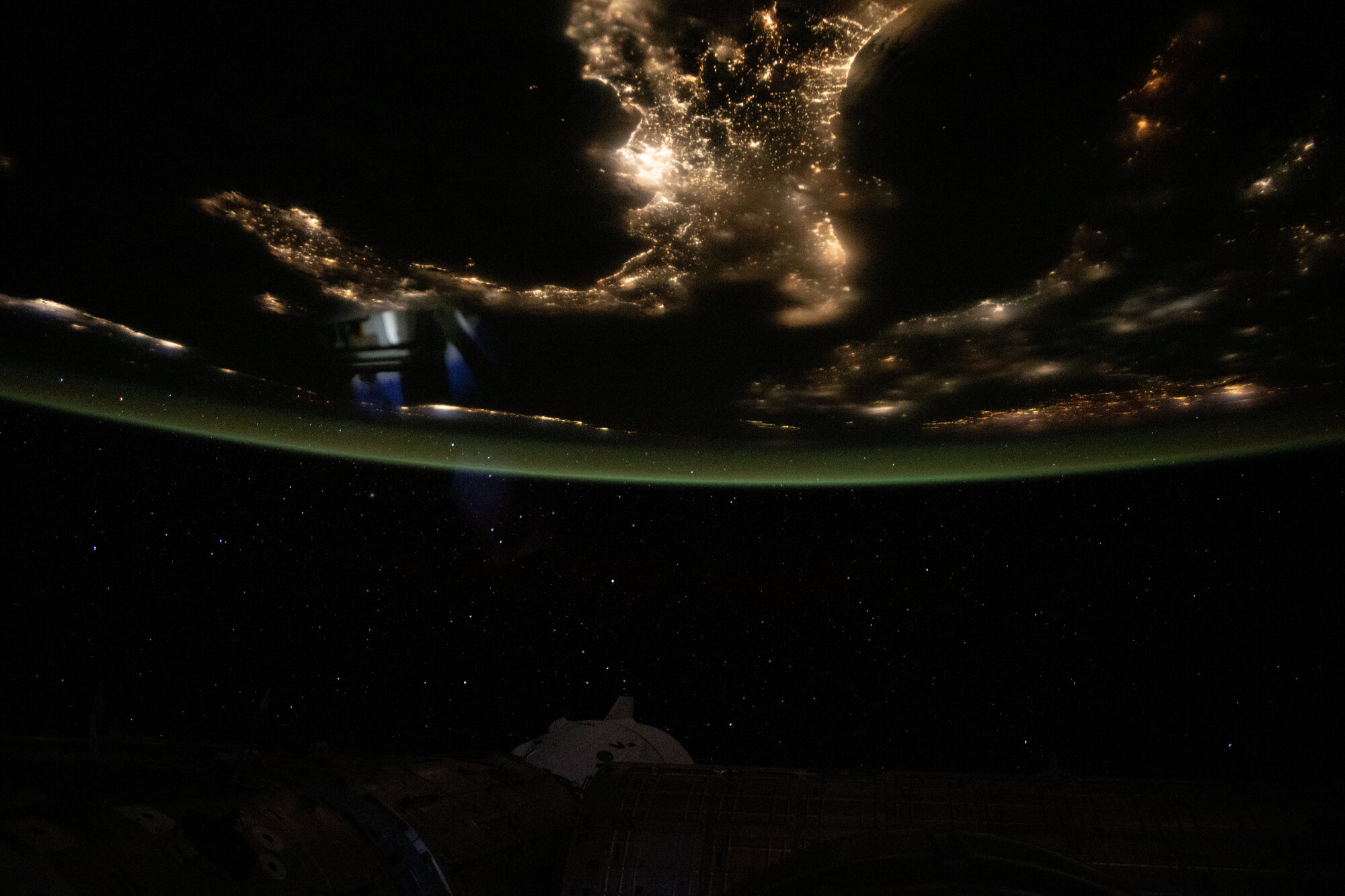 Italy, the “boot”, at night
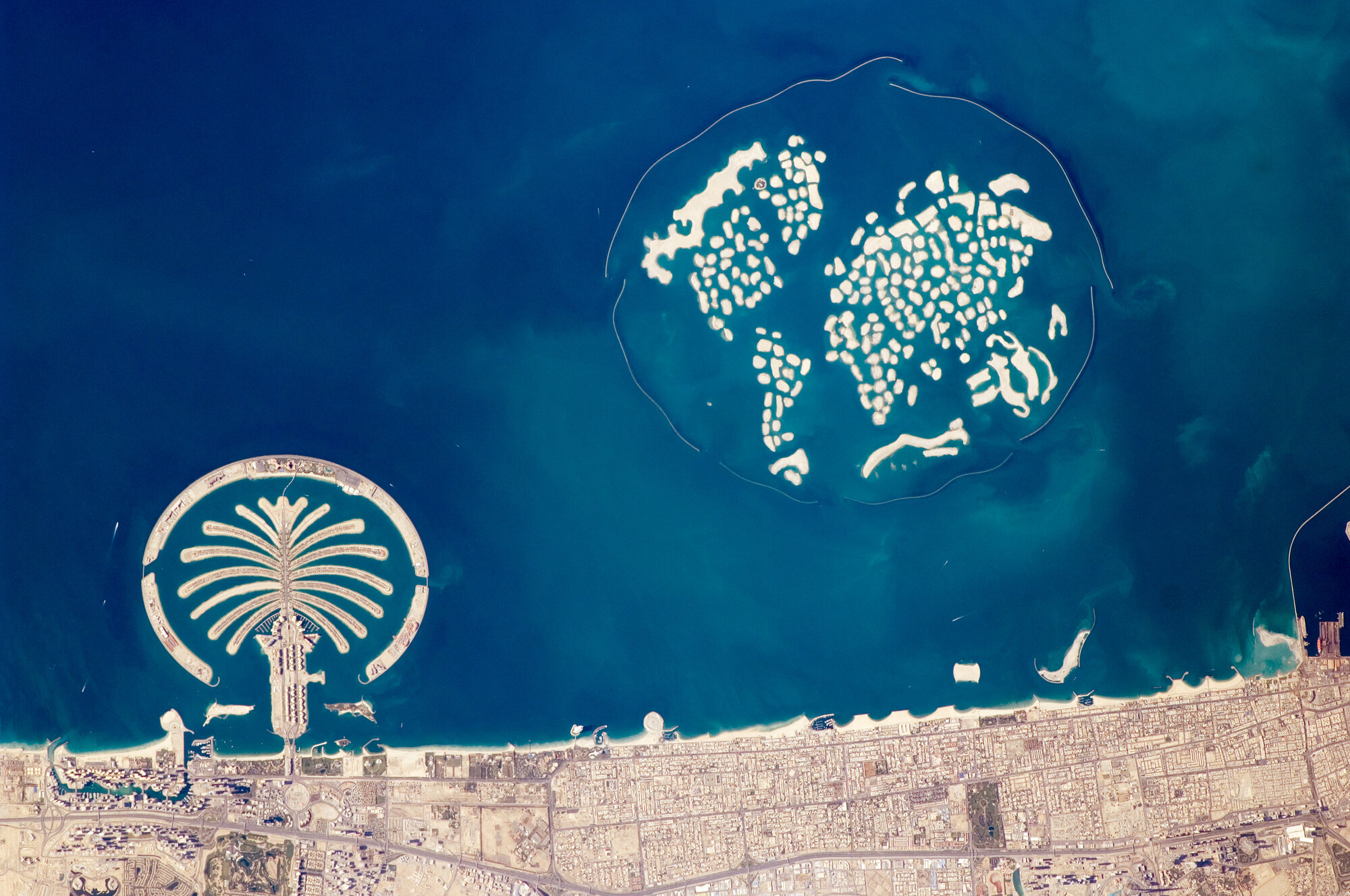 The palm islands of Dubai
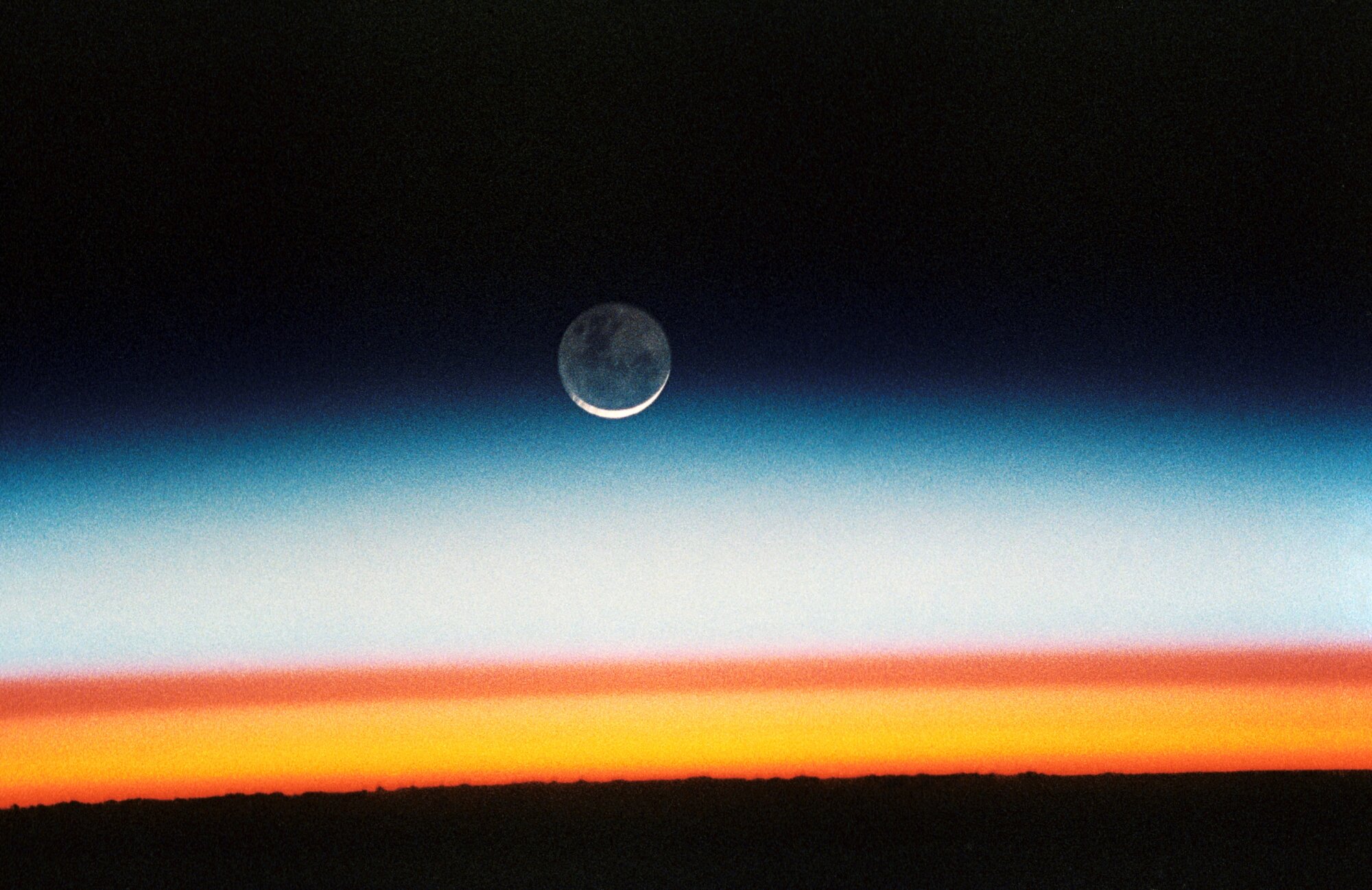 Sunrise at the edge of the Earth
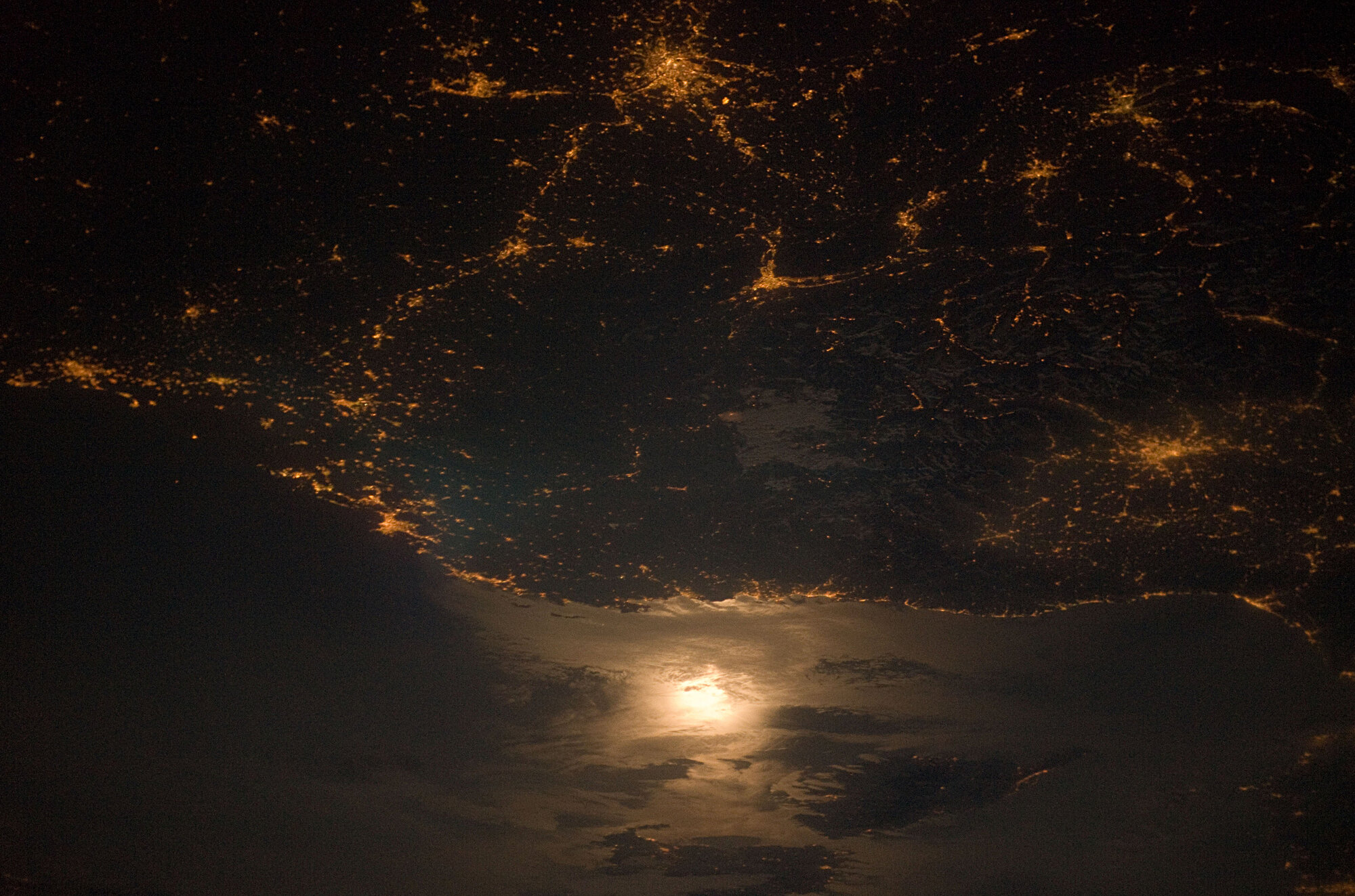 The Riviera at night
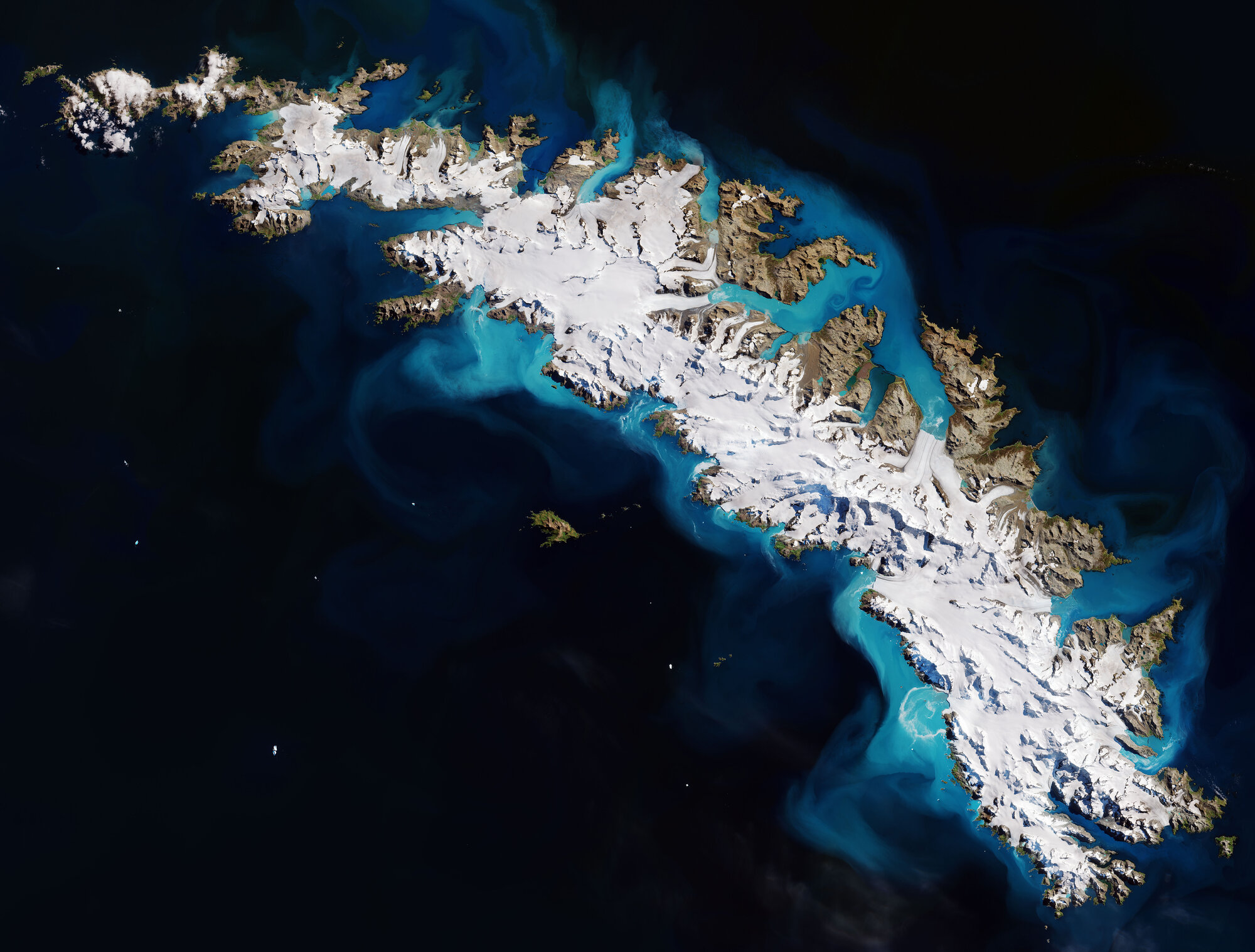 A glaciered island in the southern ocean
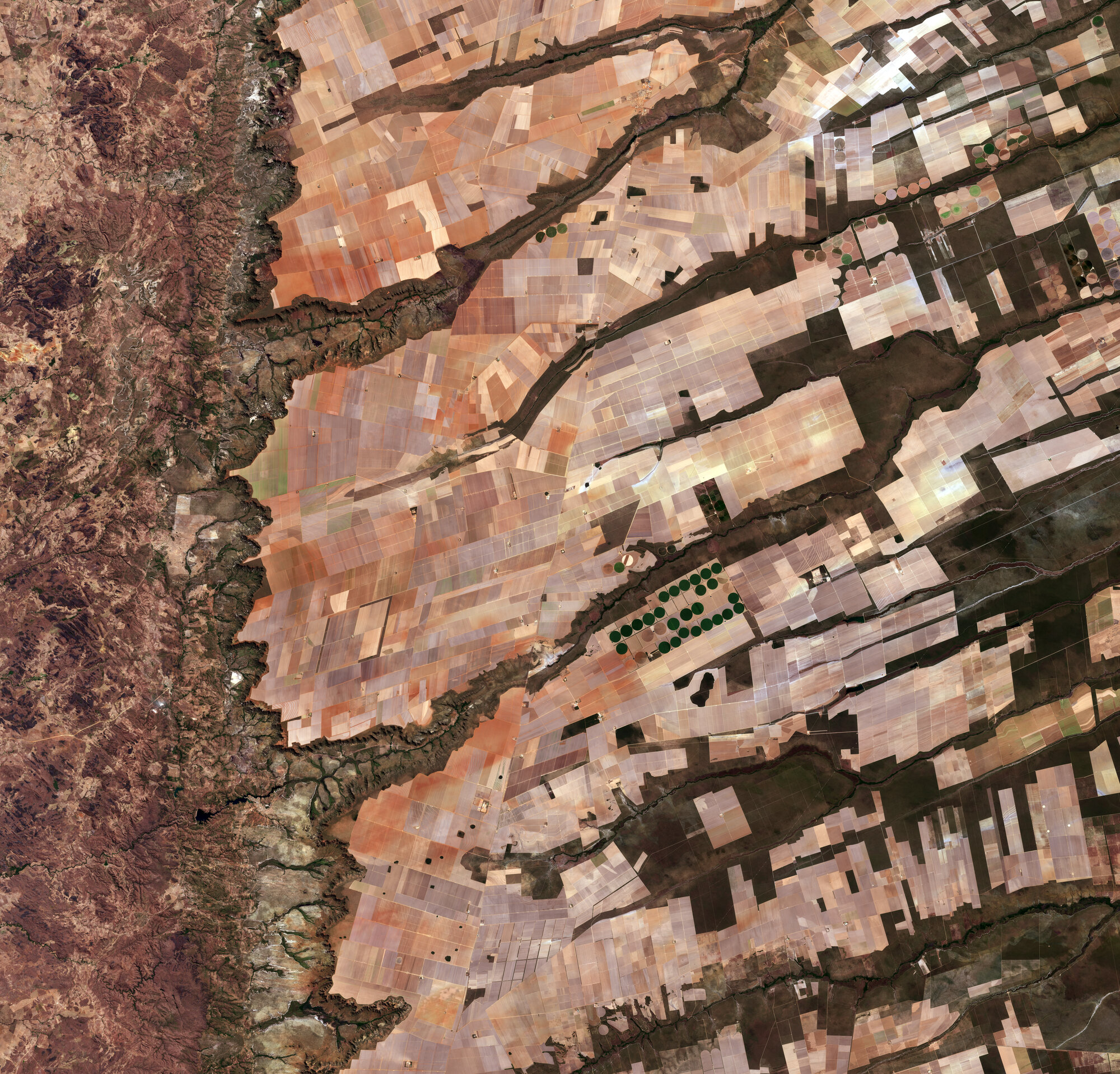 Rivers and fields in Brazil
All these pictures, by the way, are yours to keep, to look at and to print — they belong to all of us. And if you'd like to see more, there's a whole gallery full of photos.
🎬Little films to watch
And to finish, a few short little films — just tap the little ▶ (and do turn the volume up):
And if you like, you can even watch space live:
The next time you look up in the evening and a little point of light drifts quietly by — now you'll know: there's quite a lot going on up there. And in the end, most of it is there so that things go a little more easily, more safely and more closely together for all of us down here. 🌍✨